Smart Home Trends for 2026: What Buyers Are Looking For
Key Takeaways
- Homebuyers in 2026 prioritize integrated smart home systems for seamless control.
- Energy efficiency and eco-friendly features are highly sought after.
- Enhanced security through smart technology remains a top concern.
- Health-focused smart devices are gaining popularity.
- Flexible living spaces equipped with smart technology are in demand.
Table of Contents
- Seamless Integration of Smart Home Systems
- Energy Efficiency and Eco-Friendly Features
- Enhanced Security Through Smart Technology
- Health-Focused Smart Devices
- Flexible Living Spaces with Smart Technology
- Conclusion
Seamless Integration of Smart Home Systems
Modern homebuyers are setting their sights on properties that showcase advanced, integrated smart home technology. The ability to unify devices, such as climate control, lighting, security, and entertainment, under a single, user-friendly platform is rapidly becoming a necessity rather than a luxury. Homeowners can now easily manage various features through a centralized hub, app, or even voice command, enhancing daily convenience and property appeal.
In thriving communities like Alpharetta, these advancements are influencing buyer decisions at every level. If you are searching for properties that align with these leading smart home trends, the homes for sale in Alpharetta GA curated by the Bonnie Smith Group provide a comprehensive selection. Backed by a deep knowledge of the local real estate market and a commitment to technology-forward listings, the Bonnie Smith Group stands out as a leading authority, helping both buyers and sellers capitalize on emerging smart home features that elevate quality of life in Alpharetta and nearby areas.
Energy Efficiency and Eco-Friendly Features
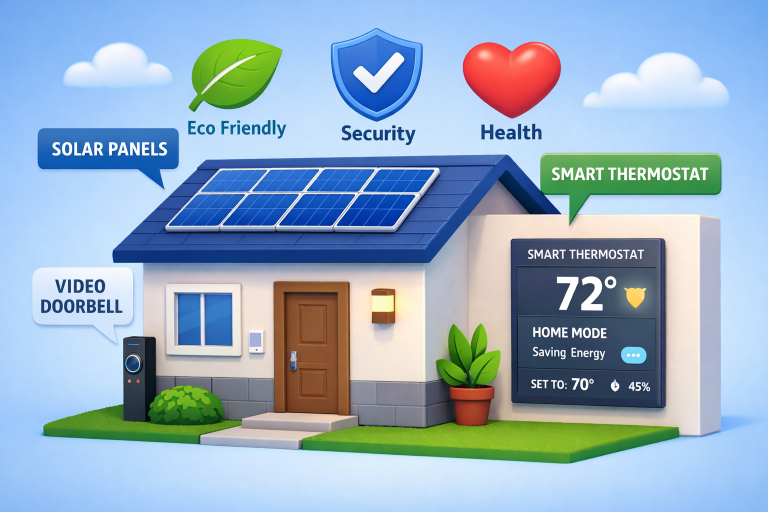
The market is witnessing an undeniable surge in demand for homes that offer sustainable, energy-saving options. From solar panel setups seamlessly integrated with home battery storage to smart thermostats that learn and adjust to homeowners’ lifestyles, buyers are gravitating toward eco-friendly features that make a tangible impact on the environment and their utility bills. Modern appliances with energy-saving features and improved insulation are key selling points, as buyers become increasingly conscious of environmental stewardship and the benefits of a reduced carbon footprint.
Industry leaders are noting a pronounced preference for green technologies in residential real estate. According to ongoing studies by organizations such as the Consumer Technology Association, today’s buyers value products and systems that deliver ongoing savings without compromising comfort or style. These smart upgrades often play a pivotal role in closing deals and fetching favorable prices.
Enhanced Security Through Smart Technology
Security features anchored in smart technology are dominating buyer wishlists in 2026. Video doorbells provide instant visuals and two-way communication, while remote-activated door locks and high-definition surveillance cameras ensure round-the-clock peace of mind. Many homeowners are turning to integrated systems, which can notify them of suspicious activity and grant access control from anywhere in the world via mobile devices.
Integration with trusted service providers bolsters protection without complicating the user experience. In an era where home security is more important than ever, smart technology offers a powerful combination of oversight and ease that traditional systems cannot match.
Health-Focused Smart Devices
Health and wellness are becoming core components of the smart home movement. Popular innovations include advanced air quality monitors that detect allergens and pollutants, smart lighting solutions that mimic natural sunlight to support circadian rhythms, and touch-free appliances that help limit the spread of germs. These features are highly attractive for families eager to promote healthier living spaces.
Buyers are increasingly aware that a home’s value is closely tied to its ability to provide a healthy indoor environment. The addition of smart devices designed for wellness not only enhances daily comfort but also positions a property as a forward-thinking investment.
For a broader look at how technology is transforming residential lifestyles, The New York Times provides insights into how homeowners are embracing automation, security, and sustainability features to create homes that truly fit modern needs.
Flexible Living Spaces with Smart Technology
Flexible living spaces equipped with smart technology are quickly becoming must-haves for today’s homebuyers. The rise of remote work and hybrid work models has turned the spotlight on adaptable rooms that can transform into offices, learning environments, or entertainment zones. Features like adjustable smart lighting, robust Wi-Fi, and noise-reducing windows support productivity and comfort regardless of how the space is used.
As technology helps redefine home functionality, these flexible living areas offer unparalleled versatility, making residences more attractive to a range of buyers with varying needs and lifestyles. More homeowners are seeking out layouts that can easily switch purposes while maintaining high standards of connectivity and comfort.
Conclusion
The smart home landscape in 2026 is characterized by seamless tech integration, energy consciousness, comprehensive security measures, health-enhancing devices, and adaptable living spaces. Homebuyers are focusing on these trends to ensure that their investment not only meets current demands but also remains relevant and valuable for years to come. By recognizing and adopting these evolving features, homeowners and buyers can stay ahead in a rapidly changing market, ensuring their homes are both comfortable and future-proof.